
Last Updated:
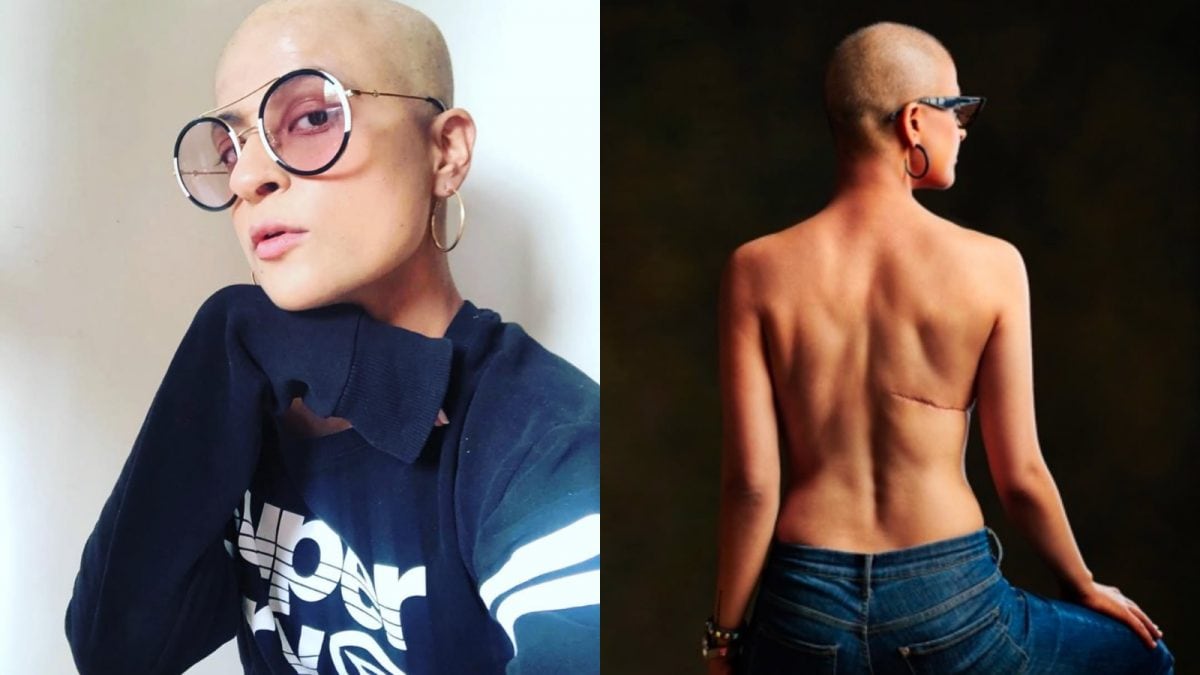
Public figures like Tahira Kashyap, who recently revealed her cancer relapse, help destigmatise the disease and reinforce the importance of follow-ups
Tahira Kashyap was diagnosed with breast cancer in 2018.
A cancer relapse can be a heartbreaking experience, not just for the patient but for their loved ones and even their doctors. In the case of breast cancer, where treatment can stretch across 18 to 20 months, doctors often develop strong emotional bonds with their patients. Regular follow-ups every three months become part of a shared journey, transforming clinical interactions into personal connections.
Dr Madhavi Nair, Consultant, Surgical Oncology, Manipal Hospital, Varthur Road, says, “Unfortunately, relapses do happen. It’s the nature of the disease. Certain types of breast cancer, particularly hormone receptor-positive ones, are known to return years after treatment, even five to seven years later. This is why medical professionals stress three crucial aspects for every breast cancer patient: complete your treatment, attend regular follow-ups, and promote awareness.”
Completing treatment in its entirety is essential. “Whether the care plan involves chemotherapy before surgery or radiation after, or even a 10-year course of hormone therapy, every step is based on evidence and tailored to the individual. Today, doctors rely on evidence-based medicine and often collaborate within multidisciplinary teams to plan cancer treatment. This approach ensures that each patient’s case is discussed in detail, allowing for a customised treatment strategy based on the type and stage of the disease as well as the patient’s overall health and ability to tolerate therapies,” adds Dr Nair.
Follow-up appointments are equally important. “Even when scans are clear, doctors rarely use the word “cured”. Instead, the focus remains on disease control and regular monitoring. This vigilance, especially in the first few years, is critical to detecting any changes early,” opines Dr Nair.
The third pillar is awareness. Patients who’ve been through the journey can play a powerful role in encouraging friends and family to undergo regular screenings. Early detection saves lives, and routine check-ups can make all the difference.
Public figures like Tahira Kashyap, who recently revealed her cancer relapse, help destigmatise the disease and reinforce the importance of follow-ups. “Her openness and resilience serve as a reminder: cancer is not a one-time battle but a long journey requiring strength, support, and constant awareness,” believes Dr Nair.
In the face of relapse, hope still stands strong. With timely intervention and continued support, many patients overcome it, again.