
Manufacturing Rigid-Flex Printed Circuit Boards
Rigid-flex printed circuit boards are the latest innovation in PCB technology. This versatile technology allows manufacturers to design lightweight and durable products while reducing costs by reducing the need for wires and connectors. The flexibility of a rigid-flex circuit board also allows for more efficient space usage. By replacing multiple rigid boards with a single rigid-flex PCB, designers can reduce component density and minimize assembly and manufacturing time. However, designing and fabricating a rigid-flex PCB is not without its challenges.
The primary challenge of rigid-flex PCBs is to ensure that the flexible portion can withstand mechanical bending and flexing without losing functionality. To address this, designers must choose suitable materials that have excellent bending strength, and carefully plan components and connections to avoid stress concentrations. Additionally, proper thermal management and testing is crucial to ensuring that the rigid-flex PCB can withstand a variety of environmental factors.
Another challenge of designing rigid-flex printed circuit board is ensuring that the layers of the rigid and flexible sections are properly aligned. This is especially challenging when signal layers transition between the rigid and flex sections of the circuit board. Misalignment can cause impedance mismatches in the circuit and affect signal integrity. It is important to plan and simulate the rigid-flex circuit board before production to prevent misalignment and layer transition problems.
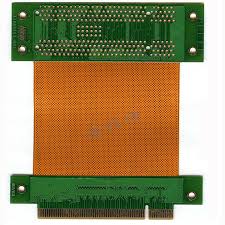
Challenges of Manufacturing Rigid-Flex Printed Circuit Boards
A third challenge is determining how to best route signals across the rigid and flex areas of the circuit board. This is important to maintain signal integrity and avoid signal loss due to mechanical stress. To achieve this, designers should use narrower traces and avoid sharp turns, especially in the flex area of the circuit. This will reduce the risk of mechanical failure and increase reliability.
Other challenges include selecting the correct materials for the rigid and flex portions of the circuit board, as well as ensuring that the rigid-flex circuit board can withstand mechanical stress during assembly, handling, and shipping. Additionally, designers must be sure that the transition between the rigid and flex portions is adequately sealed to protect against moisture, dust, and corrosion.
Rigid-Flex PCBs are a versatile and innovative type of printed circuit board that combine the best features of rigid and flexible circuits. They are designed to provide a seamless interconnection between rigid and flexible layers, enabling designers to create compact, lightweight, and highly reliable electronic assemblies. These PCBs consist of a combination of flexible circuit substrates and rigid boards laminated together into a single structure. The flexibility of these boards allows them to be folded or bent to fit into intricate and tight spaces, making them ideal for applications where space is at a premium.
Finally, it is critical to thoroughly test and verify the rigid-flex circuit board before producing it. This will ensure that it meets all the necessary design specifications and performance requirements. Failure to do so can lead to expensive repairs, lost productivity, and safety hazards for consumers and operators of the product.
With proper planning and collaboration between designers, fabricators, and assemblers, rigid-flex circuit boards can be successfully manufactured. Contact an experienced electronic contract manufacturer, like Levison Enterprises, to discuss your project and determine the best path forward. With a dedicated team of engineers on your side, you can eliminate costly errors and improve the performance of your products and processes.