
solder joints inspected for quality in flex circuit board
Inspecting solder joints for quality is a critical aspect of ensuring the reliability and functionality of flex circuit boards. Solder joints connect components to the conductive traces on the flex PCB, forming electrical connections that are essential for the proper operation of the electronic assembly. Various inspection techniques are employed to assess the quality of solder joints, including visual inspection, automated optical inspection (AOI), X-ray inspection, and electrical testing.
Visual inspection is one of the most common methods used to inspect solder joints on flex circuit board. Trained technicians visually examine the solder joints under magnification to identify any defects or anomalies, such as insufficient solder, solder bridging, solder balls, voids, or misalignment. Visual inspection allows for quick and cost-effective assessment of solder joint quality and is suitable for detecting surface-level defects.
Automated optical inspection (AOI) is another widely used technique for inspecting solder joints on flex circuit boards. AOI systems use cameras and image processing software to capture high-resolution images of the solder joints and analyze them for defects. AOI can detect defects such as solder shorts, insufficient solder, misalignment, and tombstoning with high accuracy and speed, making it an efficient and reliable inspection method for high-volume production environments.
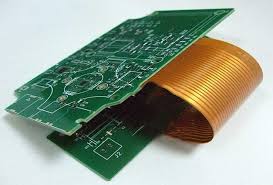
How are solder joints inspected for quality in flex circuit board?
X-ray inspection is a non-destructive testing method used to inspect the internal structure of solder joints on flex circuit boards. X-ray systems generate images of the solder joints by passing X-rays through the board and detecting the variations in density caused by the solder and components. X-ray inspection can identify defects such as voids, cold solder joints, and hidden solder joints, which may not be visible to the naked eye or AOI systems. X-ray inspection is particularly useful for inspecting complex assemblies with hidden or inaccessible solder joints.
Electrical testing is another important method for inspecting solder joints on flex circuit boards. Electrical tests, such as continuity testing, insulation resistance testing, and functional testing, are performed to verify the integrity and reliability of the solder joints and the overall circuitry. Electrical testing can detect defects such as open circuits, short circuits, and intermittent connections that may affect the performance of the flex PCB.
In addition to these inspection techniques, solder paste inspection (SPI) is used to verify the quality of solder paste deposition before components are placed on the flex circuit board. SPI systems use 3D imaging technology to measure the volume, height, and alignment of solder paste deposits on the board. By ensuring the proper deposition of solder paste, SPI helps prevent defects such as insufficient solder, solder bridging, and tombstoning during the soldering process.
Overall, inspecting solder joints for quality is essential for ensuring the reliability, functionality, and longevity of flex circuit boards. By employing a combination of visual inspection, AOI, X-ray inspection, electrical testing, and SPI, manufacturers can identify and rectify defects in solder joints, ensuring that the flex PCB meets the highest standards of quality and reliability. As the demand for flexible electronics continues to grow, robust solder joint inspection processes will remain essential for delivering high-performance and reliable flex circuit boards.