
Simulate Load Testing for Voice Assistants
Simulating load testing for voice assistants is essential to ensure their responsiveness, scalability, and reliability under different levels of user interaction. Unlike text-based Al-powered chatbot and voice assistant testing, voice assistants process audio inputs, convert speech to text, and interact with various APIs, making load testing more complex. Proper load testing helps developers identify performance bottlenecks, optimize system resources, and enhance the user experience, even during peak traffic conditions.
One of the first steps in simulating load testing for voice assistants is defining realistic usage scenarios. This involves determining the expected number of concurrent users, the average duration of interactions, and the complexity of user requests. By analyzing real-world usage patterns, testers can create simulation scenarios that accurately reflect how the voice assistant will be used. These scenarios help assess how well the system handles different types of queries, from simple commands to multi-turn conversations requiring memory retention.
To simulate multiple users interacting with the voice assistant simultaneously, testers use load testing tools that generate synthetic traffic. Tools such as JMeter, Locust, and Gatling can be configured to send voice-based requests to the assistant’s API. These tools can simulate thousands of users issuing voice commands at the same time, allowing testers to measure response times, system stability, and processing efficiency. Additionally, cloud-based testing platforms like BlazeMeter and AWS Load Testing can distribute virtual users across different locations to evaluate performance in varied network conditions.
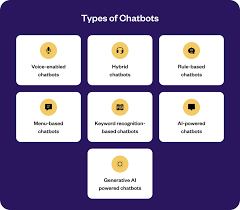
How Do You Simulate Load Testing for Voice Assistants?
Since voice assistants rely on automatic speech recognition (ASR) and natural language processing (NLP) engines, testing must include evaluating how these components perform under high loads. When multiple users send voice commands simultaneously, ASR systems may experience delays in converting speech to text, while NLP engines may take longer to interpret intent and generate responses. Simulating load on these components ensures that they can handle high traffic without compromising accuracy or speed. Developers can use stress testing techniques to push the system beyond its normal limits and identify potential failures.
Another critical aspect of load testing for voice assistants is assessing backend performance. Voice assistants often rely on databases, third-party APIs, and cloud services to fetch information and process responses. Testing how these backend services perform under load helps prevent slow response times or failures due to overloaded servers. By monitoring CPU usage, memory consumption, and API response times during load testing, developers can optimize system architecture, implement caching mechanisms, and introduce auto-scaling solutions to maintain performance.
Network conditions also play a significant role in load testing for voice assistants. Users may interact with voice assistants over different internet speeds, mobile networks, or unstable connections. Simulating different network conditions helps assess how well the assistant adapts to low bandwidth, latency issues, or packet loss. Optimizing voice data compression, reducing dependency on real-time API calls, and implementing offline fallback mechanisms can improve performance in challenging network environments.
Effective load testing ensures that voice assistants remain responsive and stable even during peak usage. By simulating high traffic, testing ASR and NLP performance, optimizing backend infrastructure, and evaluating network conditions, developers can build voice assistants that deliver seamless interactions. These optimizations contribute to a better user experience, ensuring that voice assistants function reliably in real-world scenarios.