
flex PCB supplier handle confidentiality
The design of a flex PCB is usually done using the same computer-aided software as for rigid PCBs. The output files are then used for producing the copper layers on the flex substrate. The resulting copper layer is designed according to the expected mechanical and electrical requirements of the device. The layer is then prepared for the etching process by applying a protective layer of insulating material. Finally, the conductor pattern is etched on the copper layer and a solder mask or other surface finish is applied to prevent oxidation and moisture from damaging the circuit board.
The substrate for a flex pcb supplier is typically made from polyester or polyimide material. It is thin enough to be flexible but thick enough to provide stability. The conductor traces are etched on the substrate in as many layers as the flex circuit design requires. The layers are then covered with a protective film to keep out moisture, dirt, and other contaminants.
Flex PCBs can be assembled in two ways: through-hole and surface mount technology (SMT). SMT assembly is becoming more popular due to its advantages over through-hole. Through-hole assembly is more costly and time-consuming. However, through-hole assemblies are still required in some high power applications.
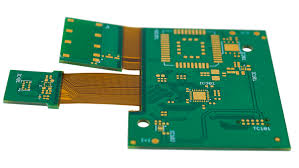
How does a flex PCB supplier handle confidentiality?
Another benefit of a flex circuit is that it can be bent and folded without damaging the conductive paths or components. This flexibility also helps to minimize the weight of the final product. This advantage can be especially important in devices with small enclosures.
When designing a flex circuit, the designers should pay attention to the copper thickness and the bend radius. The copper thickness will determine the flex circuit’s ability to withstand stress and strain. Thicker copper traces are more flexible than thinner ones, but they may have less current-carrying capacity. The bend radius is the distance the flex circuit can be bent before it begins to deform.
During manufacturing, the flex circuit will undergo rigorous testing to ensure that it meets its specifications. These tests will check for things like short circuits, internal faults, and contact point problems. This is a critical part of the fabrication process, and it helps to guarantee that the final product will work as intended.
The flex PCB will then be ready for shipment. Before a flex circuit is sent out, it will be inspected by the customer to make sure that it is free of any defects or errors. If there are any defects, the customer will need to send the faulty flex circuit back to the manufacturer for repairs or replacements. A reputable flex PCB supplier will be able to handle any disputes in a timely manner. This will help to avoid a long delay in the delivery of the finished product. This step is essential for ensuring the quality of the flex circuit board. This way, the customer will be able to use it in his or her project without any concerns about its reliability.