
Cases of a severe type of pneumonia called Legionnaires’ disease have been on the rise in New York City’s Harlem neighborhood since the end of July. As of Aug. 6, 73 people have been diagnosed with the illness, and three people have died, according to the New York City Health Department.
New York is no stranger to Legionnaires’ disease, a bacterial infection that spreads from contaminated water systems. In fact, the city generally has a high rate of cases compared to the rest of the country, said Hannah Newman, senior director of infection prevention at Northwell Health’s Lenox Hill Hospital.
“While there are typically several hundred cases diagnosed per year in New York City, a cluster of this size in this amount of time is much less common,” Newman told HuffPost.
Here’s what to know about the Legionnaires’ outbreak in NYC:
What is it — and where does it come from?
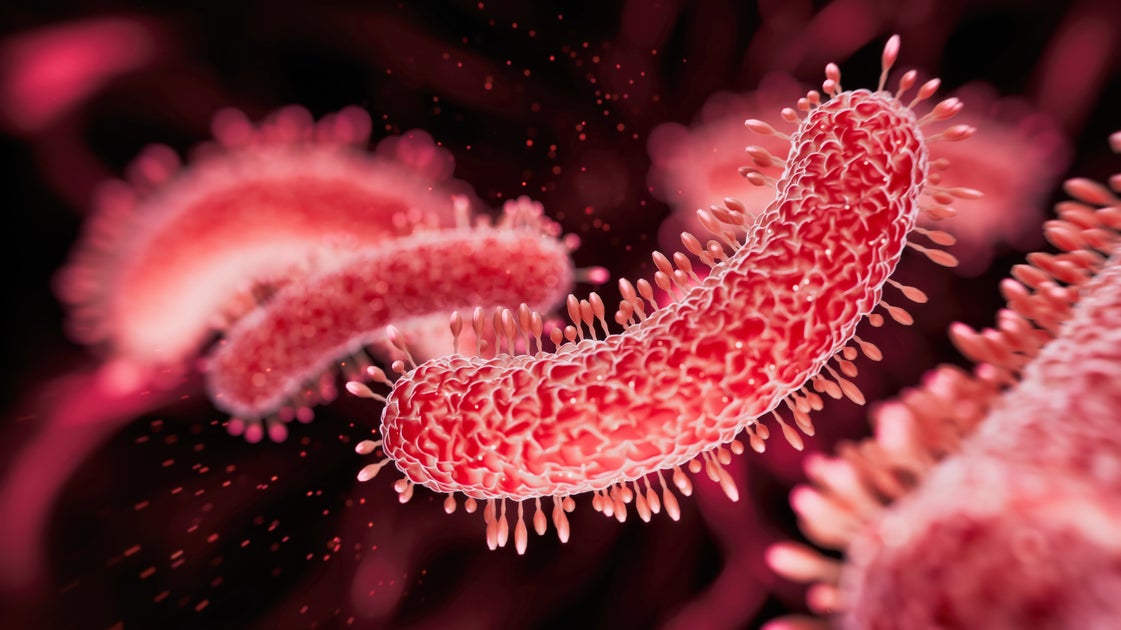
Legionella is a type of bacterium naturally found in freshwater sources like streams and lakes. In these environments, the bacterium typically doesn’t cause disease. According to Newman, there are over 60 types of Legionella, but one — Legionella pneumophila — is the most common cause of Legionnaires’ disease.
The concern arises when Legionella bacteria enter building water systems, including showerheads, faucets, hot tubs and cooling towers, according to the Centers for Disease Control and Prevention.
There, the bacteria can grow and spread, especially if the water system has biofilm (a slime that promotes germ growth), warm water (between 77°F–113°F), hasn’t been properly disinfected, or has barely any water movement.
koto_feja via Getty Images
Eleven cooling towers in Harlem tested positive for Legionella pneumophila but have since been remediated, according to a press release Monday from the NYC Health Department.
Public health officials say the New York outbreak — in zip codes 10027, 10030, 10035, 10037 and 10039 — is not linked to any building’s plumbing system, and that residents can continue to shower, cook, bathe, drink water and use their AC.
How do people get the disease, and what’s it like?
People can contract the infection when they inhale mist or swallow water that contains the bacteria. According to Daniel Weinberger, a professor of epidemiology (microbial diseases) at Yale School of Public Health, most outbreaks occur when large, industrial-sized AC units contain water with the bacteria. “The mist produced by these towers can be dispersed to surrounding areas, causing infection,” he said.
The illness does not spread from person to person, the CDC explains.
Some people get a milder form of legionellosis called Pontiac fever that causes flu-like symptoms, including chills, fatigue, muscle pain, headaches, nausea, and vomiting, Newman said.
Others develop Legionnaires’ disease, which typically causes pneumonia with a fever and cough. Some people also develop muscle and chest pain, a headache, shortness of breath or altered mental status, she added.
The majority of healthy people who are exposed to the bacteria do not get sick. In fact, many people who are exposed likely go undiagnosed because their symptoms are so mild and can be mistaken for those of a common viral infection, according to Dr. Dean Winslow, a professor of medicine and pediatrics (infectious diseases) at Stanford Medicine.
Those at increased risk of getting sick include people who currently (or formerly) smoke, are 50 or older, or have health conditions such as cancer, diabetes or chronic lung disease.
Legionnaires’ disease rates are higher for older adults, men, Black people, and those who live in the Northeast and Midwest, according to the CDC.
“Outbreaks tend to be more common in summer months when air conditioning systems are being used in apartment buildings, office buildings, hotels,” Winslow said.
How is it treated, and what’s recovery like?
If you have any of the symptoms of Legionnaires’ disease or think you were exposed to the bacteria, it’s crucial to talk to a health care provider immediately.
Pontiac fever, which does not include pneumonia, typically doesn’t require antibiotics. But Legionnaires’ disease can worsen if it’s not treated promptly. Your doctor can prescribe antibiotics, which are very effective, Newman said.
In mild cases, oral antibiotics will do the trick, but in severe cases, an IV of antibiotics may be necessary.
“Recovery might look different from one person to another, and it’s important to follow your doctor’s instructions, take all your prescribed medications, and rest throughout recovery,” Newman said.
Should people in Harlem — or elsewhere — be concerned?
“Due to the nature of how Legionella spreads, the main concern are those in the specific buildings and zip codes associated with the outbreak,” Newman said. If you live in or near the affected area, you can check the CDC’s surveillance tracker or contact NYC Health for updates on the outbreak.
Even so, remember — the risk of getting Legionnaires’ disease is very low. “People are probably exposed to these bacteria pretty frequently without realizing it,” Weinberger said. And those who do get sick generally make a full recovery, especially when they are treated early, Newman noted.
As for those who aren’t living, working or visiting the affected zip codes? You don’t need to be concerned at this time, all three experts HuffPost spoke to said.
That said, if you live in a large apartment building, it wouldn’t hurt to ask the owner about the safety and maintenance of its HVAC systems, Winslow added.
New York City requires building owners to register cooling towers. They must also routinely test water for the presence of Legionella.
There are multiple steps you can take at home to minimize the chances that your own water systems — such as fountains, hot tubs, medical devices or hot water heaters — contain the bacteria. You can find tips here.
There are no vaccines or medicines that can help prevent Legionnaires’ disease. The best way to stay safe is to avoid getting exposed in the first place. “This is especially important in areas with active outbreaks,” Newman said.