
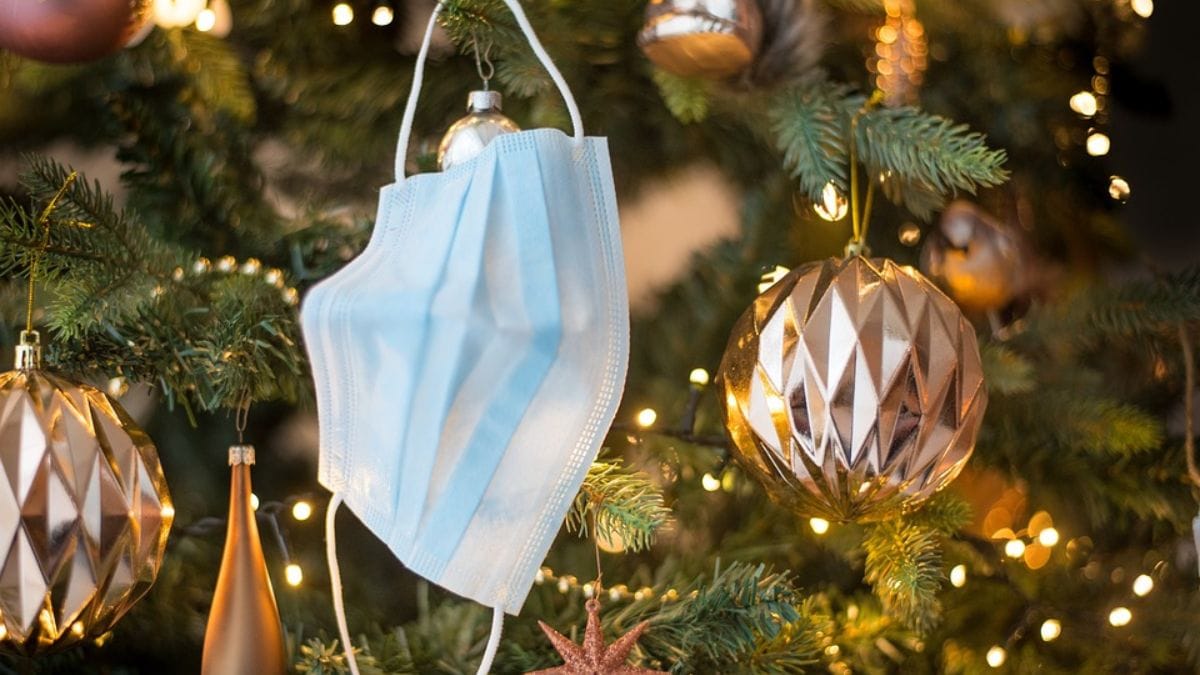
Do you find yourself with a stuffy nose or itchy skin while decorating your Christmas tree?
Does the sight of twinkling lights have you reaching for tissues instead of feeling festive?
Then, you might be allergic to your Christmas tree.
ALSO READ |
The big Christmas reveal: What Santa Claus looked like 1,700 years ago
Hidden allergens in your tree could be triggering a condition known as “Christmas tree syndrome”.
While it’s the season to embrace holiday cheer, for a small but unfortunate group, handling or decorating a Christmas tree can bring more sneezes than smiles.
What is ‘Christmas tree syndrome’?
“Christmas tree syndrome” refers to symptoms caused by exposure to natural Christmas trees or seasonal plants including holly, pine, and fir, according to Everyday Health. While these symptoms can affect anyone, individuals with existing allergies or asthma are at greater risk.
Allergist DeVon Preston explained, “When people bring a real or artificial tree into their home and notice some worsening of their allergy symptoms, it’s sometimes referred to as ‘Christmas tree syndrome,’” according to an article published by Cleveland Clinic.
Although not an officially recognised medical condition, the term originated after a 1970 study observed that a small percentage of people experienced heightened allergy symptoms after setting up their trees.
Artificial trees can also trigger similar issues if improperly stored, as they can collect dust, mould, or other allergens over time.
ALSO READ |
Hairy tales: How babies in Spain are developing werewolf syndrome
What are the signs and symptoms?
Research published in the Canadian Medical Association Journal indicates that about 7 per cent of individuals experience allergic reactions when exposed to coniferous trees such as fir, pine, and spruce.
The symptoms are often similar to those of seasonal allergies and can range from mild to severe. Common signs include:
Although these symptoms can cause discomfort, they are typically not dangerous. However, severe allergic reactions should be treated as medical emergencies, as per Cleveland Clinic.
ALSO READ |
Do you constantly google diseases and health trends? You are likely to have IDIOT syndrome
What are the causes of ‘Christmas tree syndrome’?
The name might suggest that the cause is straightforward, but it is not as simple as it seems.
Being allergic to pine trees is actually quite rare. However, the scent of a pine tree can irritate your sinuses and lungs due to a chemical compound called terpene. This compound is found in many strongly scented plants, such as thyme, basil, lavender, rosemary, orange peels, and ginger.
Allergist Preston noted that both real and artificial Christmas trees can bring outdoor allergens into your home. According to the Cleveland Clinic, these may include weed pollen, rosin, dust mites, insect droppings, pesticides, and mould. These allergens are also known to trigger allergic asthma.
As per Everyday Health, here are some of the possible causes of this syndrome:
-
Mould Spores: Experts consider mould as the leading cause of respiratory allergy symptoms linked to Christmas trees. Mould spores can grow on tree bark and branches.
-
Pollen: Pine pollen may contribute, though most experts do not see it as the primary culprit.
-
Volatile Organic Compounds: Christmas trees release VOCs, including terpene compounds like pinene. While these compounds produce a pleasant scent, they can irritate sensitive airways and lead to symptoms such as eye, nose, and throat irritation or allergic skin reactions.
-
Dust: Dust can also provoke allergy symptoms. Artificial trees and decorations that are not properly cleaned or stored can accumulate dust, leading to similar reactions.
ALSO READ |
What is ‘Dinga Dinga’, the excessive body-shaking disease leaving people in Uganda sick?
How to prevent ‘Christmas tree syndrome’
If you experience skin irritation from handling your tree, allergist Dr Sanjiv Sur from Baylor College of Medicine recommends creating a “barrier” by wearing long sleeves and gloves when touching it, The New York Times reported.
For those allergic to pine trees, switching to an artificial tree can help. If you still prefer a real tree, consider fir, spruce, or cypress varieties instead.
Washing your hands after handling the tree can remove sap or pollen, especially if you choose not to wear gloves.
Experts advise disposing of real trees soon after the holiday season, as mould can continue to grow indoors.
Running an air purifier near your tree can help filter out mould spores, dust, pollen, and other allergens.
When using an artificial tree, store it in an airtight container to prevent dust, mould, and pollen from accumulating throughout the year.
Keeping antihistamines and cortisone creams readily available during the holiday season can alleviate allergy symptoms caused by exposure to trees or decorations.
How is ‘Christmas tree syndrome’ diagnosed?
Although not a formal diagnosis, Christmas tree syndrome refers to symptoms caused by exposure to certain trees or plants.
If you already use medication for allergies or asthma, inform your healthcare provider if your symptoms worsen. For individuals without a history of allergies, your doctor may ask about symptoms and possible exposure to environmental triggers, plants, or trees, according to Everyday Health.
With inputs from agencies