
smart devices
The rapid advancement of technology has brought a wave of smart devices that are replacing traditional home equipment. These innovations are designed to improve convenience, efficiency, and connectivity, transforming how people interact with their living spaces. From kitchen appliances to home security systems, smart devices are increasingly becoming an integral part of modern households. Their ability to integrate with smartphones, voice assistants, and automation systems makes them attractive alternatives to conventional tools and equipment.
In the kitchen, smart devices have replaced many traditional appliances. Smart refrigerators now feature touchscreens, cameras, and inventory management systems that allow users to monitor food supplies remotely. Similarly, smart ovens and microwaves can be controlled via apps, enabling precise temperature settings, timers, and cooking modes without the need for manual adjustments. These devices not only save time but also enhance efficiency, helping households reduce food waste and streamline meal preparation. Compared to their traditional counterparts, smart kitchen appliances offer a level of interactivity and convenience that is difficult to achieve otherwise.
Home cleaning has also been revolutionized by smart devices. Robot vacuums and mops have largely replaced manual cleaning equipment such as traditional vacuum cleaners and floor scrubbers in many households. These devices are equipped with sensors, mapping technology, and programmable schedules, allowing users to clean their homes without lifting a finger. Some smart vacuums can even integrate with home assistants to start cleaning at specific times or respond to voice commands. This shift from manual labor to automated cleaning highlights how smart devices are enhancing convenience while maintaining cleanliness standards.
Smart climate control devices have replaced conventional thermostats and heating systems in many homes. Programmable smart thermostats allow users to set temperature preferences based on time of day, occupancy, or weather conditions. Advanced models can even learn patterns over time and adjust settings automatically to optimize energy consumption. In comparison to traditional thermostats, these smart devices reduce energy costs, provide remote control through mobile apps, and contribute to environmentally friendly living. They demonstrate how automation and intelligence can significantly enhance traditional home systems.
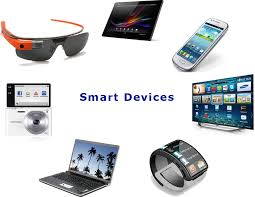
Which smart devices replace traditional home equipment?
Home security has also seen significant changes due to smart devices. Smart locks, cameras, and doorbells now offer remote monitoring, motion detection, and real-time alerts, replacing older mechanical locks and wired security systems. Users can check their home’s security status from anywhere and receive notifications about unusual activity. Some devices even allow temporary access codes for guests or service providers, offering flexibility that traditional equipment cannot match. The combination of enhanced security and convenience has made smart home security devices increasingly popular.
Entertainment systems are another area where smart devices are supplanting traditional equipment. Smart TVs, speakers, and streaming devices allow users to access content, control devices, and personalize their viewing experience using mobile apps or voice commands. Conventional equipment, such as cable boxes, DVD players, and standalone speakers, are becoming less common as consumers prefer integrated smart solutions that simplify entertainment management. These devices also support multi-room connectivity, creating seamless audio and video experiences throughout the home.
Lighting has been transformed with smart devices that replace standard switches and bulbs. Smart lighting systems allow users to adjust brightness, color, and schedules remotely or through automation. Voice-controlled lighting offers an added layer of convenience, enabling control without touching a switch. These devices can be programmed for energy efficiency, mood settings, or safety purposes, providing advantages that traditional lighting setups cannot achieve.
In conclusion, smart devices are increasingly replacing traditional home equipment across multiple categories, including kitchen appliances, cleaning tools, climate control, security, entertainment, and lighting. Their ability to integrate with modern technology, provide automation, and improve convenience makes them an appealing choice for contemporary households. As technology continues to evolve, the adoption of smart devices is likely to grow, further transforming how homes are managed and enhancing the daily lives of users.