
)
Chronic venous insufficiency (CVI), a progressive condition where leg veins struggle to return blood to the heart, is often dismissed as a natural part of ageing. In India’s rapidly ageing population, the disorder frequently goes unnoticed until it leads to severe complications such as painful ulcers, skin damage, and mobility loss. Symptoms like swollen ankles, leg heaviness, and cramps are often mistaken for arthritis or the normal wear and tear of old age, delaying timely diagnosis and treatment.
Dr Sachin Mittal, Associate Clinical Director & HOD of Robotic, MI, Bariatric & General Surgery, Marengo Asia Hospitals (Faridabad) talked to Firstpost to shed light on how CVI differs from varicose veins, why it is often underdiagnosed in seniors and the steps needed to manage and prevent its complications.
What exactly is chronic venous insufficiency and how is it different from common varicose veins?
Dr Mittal: Chronic venous insufficiency occurs when the veins of the legs are unable to efficiently return blood to the heart. This results in blood gathering in the legs (pooling), sometimes nasty swelling, and other skin changes. Varicose veins are twisted and dilated veins on the surface skin and can indicate serious or relatively mild CVI. Just to simplify things, varicose veins are what can be seen, but CVI shows a more serious and long-standing change in function of the vein.
Why is CVI often underdiagnosed in seniors and what signs are usually mistaken as normal aging?
Dr Mittal: CVI is frequently under diagnosed in the elderly population, partly because the first signs – leg heaviness, swelling, cramping, and fatigue are mistaken as natural aging or conditions related to arthritis. Many elderly patients think that ankle swelling, or slow healing wounds, is normal. This delay in treatment can lead to ulceration and other significant consequences.
Dr Mittal: CVI results in worsening ankle swelling after prolonged standing in a vertical position and improvement with leg elevation. It is frequently asymmetric, and skin changes may be evident, such as darkening of the skin and varicose vein changes. Heart failure results in bilateral swelling with breathlessness, kidney disease commonly presents with puffiness around the eyes and other areas. Liver disease is complicated with abdominal ascites. A careful history, physical examination, and doppler ultrasound can help distinguish venous swelling from systemic organ-specific swelling.
What visible skin changes in older adults point toward CVI, and how serious are they?
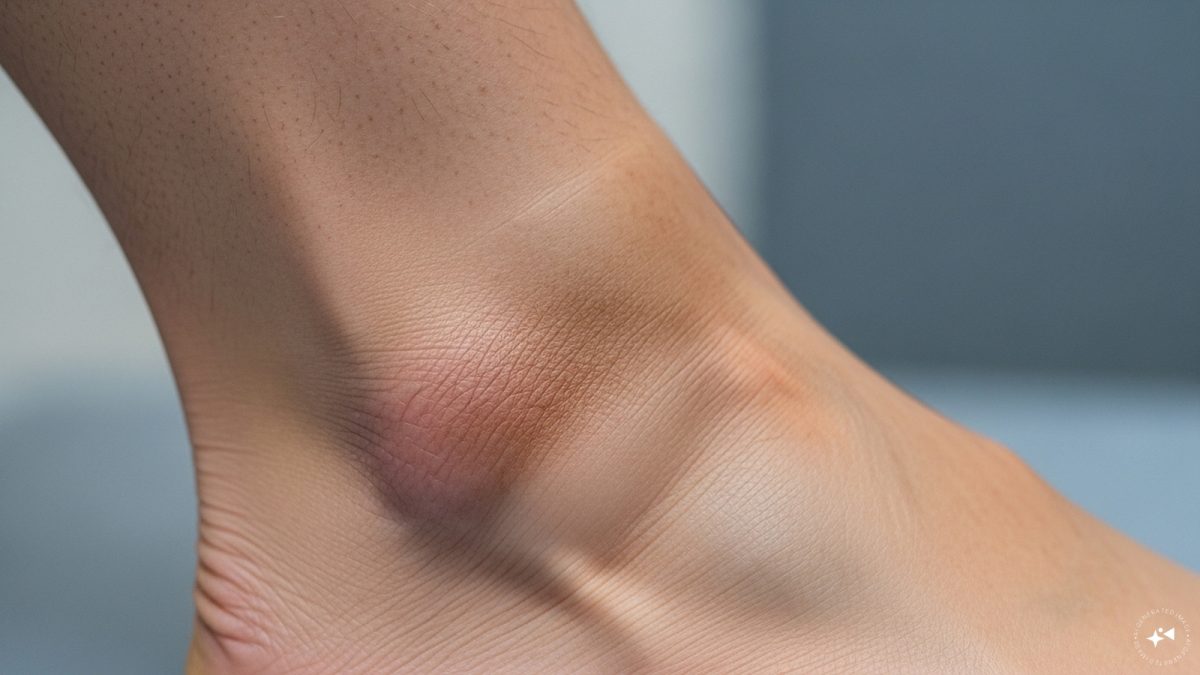
Dr Mittal: This means dark brown pigmentation around the ankles, itching like eczema, thickened leathery skin, and white scar-like patches referred to as atrophie blanche. If not identified and treated at this stage, venous ulcers will develop, and they will be painful and slow healing. This means there is ongoing, chronic damage to tissues and impaired oxygen delivery to tissues. If left untreated, it may result in significant reductions in mobility, chronic infection, and impairment to the quality of life of older adults.
Can lifestyle factors like obesity, inactivity, or prolonged standing increase the risk or worsen CVI in seniors?
Dr Mittal: Yes, lifestyle factors play a significant role in CVI. Obesity increases venous pressure, inactivity leads to calf muscle pump dysfunction, and prolonged standing or sitting leads to blood pooling in the legs. For older adults, these factors trigger further vascular damage making symptoms, such as swelling or pain, exponentially worse. Promotion of walking daily, leg elevation, weight control and reducing long duration postures can greatly slow progression.
How effective is compression therapy in elderly patients and what challenges do you see with its use in India?
Dr Mittal: Compression stockings are very useful for reducing swelling, improving circulation and preventing ulcerations in older adults with CVI, but there are some barriers in India such as a lack of awareness, financial issues, difficulty putting the stockings on due to arthritis or frailty, and low compliance in the hot months. Many elderly abandon the therapy entirely because of being uncomfortable.
When should treatment shift from conservative methods to procedures like ablation or sclerotherapy in older patients?
Dr Mittal: If, after conservative treatment including compression, exercise and medication, are not controlling symptoms, or if there are ulcers, recurrent infections, or intolerable pain, then an intervention is warranted. There are minimally invasive interventions such as endovenous ablation, sclerotherapy, and vein stripping which can be considered even in older adults, if cardiac and renal function allow. The decision hinges on weighing the potential improvement in quality of life versus the risks of the procedure and other risks associated with elderly patients.
Dr Mittal: Venoactive agents such as micronized diosmin or the plant derived flavonoids help reduce swelling, heaviness and nocturnal cramps in the legs by strengthening the existing venous walls and enhancing lymphatic drainage. They do not cure any disorder but only support the effects of compression. For elderly people who cannot tolerate stockings, venoactive agents are used to manage the symptoms.
Should vascular screening after 70 be made a routine for older adults.
Dr Mittal: Regular vascular screening beyond age 70 could detect chronic venous insufficiency sooner, before ulcers or other bad outcomes develop, with simple tests like Doppler, which can determine venous reflux or obstruction with timely treatment available. The results are a reduction in disability, fewer hospitalizations, and many more quality of life outcomes. Early detection is also important to determine if venous swelling is SEO to other problems, heart, renal, or liver, assuring that the senior is receiving the best management plan.
What policy or public health measure would most effectively reduce the burden of CVI in India’s aging population?
Dr Mittal: The best practice would be to employ a multidisciplinary approach by incorporating venous health into geriatric screening programs and primary health care systems. Public information campaigns aimed at informing older adults, making compression stockings affordable through public health plans, and training family physicians to recognise CVI early would help to reduce the burden. Also, developing programs to promote physical activity in older adults, such as yoga and walking clubs would contribute to the prevention of the disease burden related to CVI.